

Commercial Solar: The Gateway to New Profits, Energy, and Security
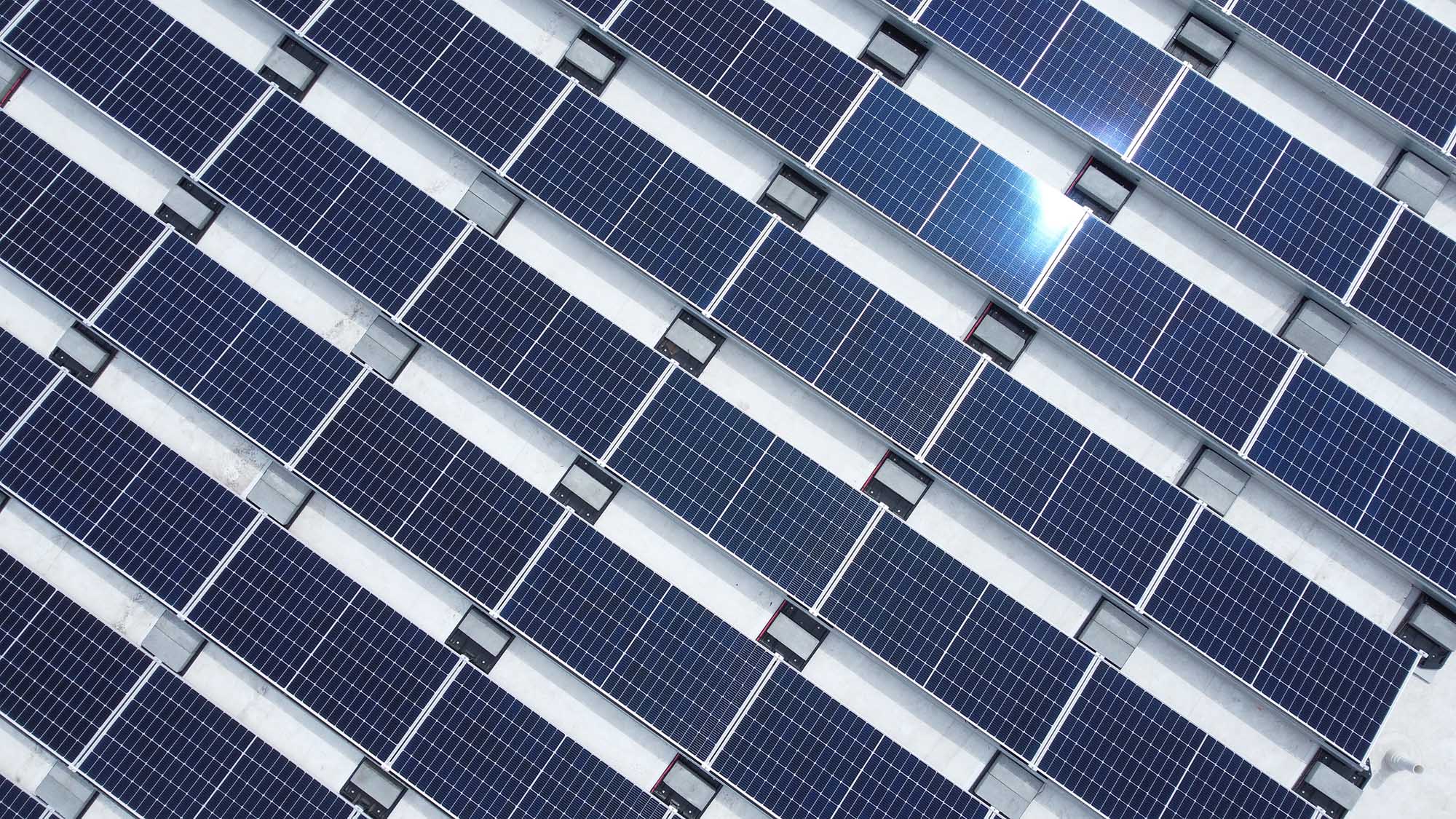
Many companies and organizations have purchased and installed enough clean energy to power most and sometimes all of their power needs, according to a GreenBiz article written by Peter Rumsey, CEO of Point Energy Innovations. However, commercial real estate (CRE) properties have been slower in the race of incorporating solar on their rooftops. Installing solar on CRE properties provides a viable opportunity for property owners and developers to increase profits, energy, and financial security. Solar provides these advantages by reducing utility costs, increasing rents, and decreasing vacancy rates.


Solar Is Growing Faster Than Ever In The U.S.
Meeting solar demand during the pandemic has been difficult for industry leaders. However, thats changing, in fact, rather quickly.

Solar Unfazed by Economic Downturn
This past year was not a strong one for the economy. As the pandemic took hold of the world, supply chains were disrupted, consumers stayed home, and the economy fell at historically fast rates. Stock market yields slid and many investors were skittish about the state of the global market. Spending and investing tried up as people saved their money, uncertain about their income.

Electric Rate Trends in the Commercial Market
With the landscape of energy markets in constant flux, and an overall trend of electric rate increases, many customers are turning to alternative energy options. Solar is amongst the most popular alternatives due to its increased accessibility and affordability. Going solar allows customers to avoid inflation and the inherent volatility of energy costs while harnessing the cheapest available form of energy on the market.

Storing Solar with Hydrogen
One of the most interesting challenges to achieving carbon neutral electricity generation is harnessing the intermittent generation of solar and wind. Right now, many firms, households, and utilities rely on lithium ion batteries to store energy for times when generation is low. What if there were another solution for energy storage that produced carbon neutral electricity?
